Ale and lager
Ale and lager describe two broad fermentation families, identified chiefly by the yeast used and the conditions in which it works. Brewers can start with similar malt and hop ingredients yet produce different results by selecting an ale or lager yeast strain. That distinction is separate from a beer’s colour: both families include pale and dark examples. Knowing what the terms refer to helps you read a beer list without relying on appearance alone.
Yeast and temperature
Ale beer is usually fermented with Saccharomyces cerevisiae, while lager beer is usually made with Saccharomyces pastorianus. These are different brewing yeasts, not simply the same organism handled in different ways. S. pastorianus is a hybrid yeast associated with lager brewing; commercial strains have been selected for reliable performance and distinct fermentation characteristics. Brewers choose a strain for its ability to ferment the wort and for the flavour profile it leaves behind.
Ales commonly ferment at about 16–22°C, while lagers commonly ferment at about 8–13°C. These are typical wort-fermentation ranges, not rigid definitions: individual yeast strains and brewery processes can call for adjustments. Fermentation itself generates heat, so a brewer may control the temperature of a tank rather than rely on the room temperature. Keeping the wort within the intended range helps the yeast work steadily and makes batches more consistent.
Temperature affects both the pace of fermentation and the compounds yeast produces. Within a suitable range, warmer ale fermentation generally proceeds more quickly than cooler lager fermentation. It can also encourage greater production of fruity esters, although the result depends on the strain, the wort and the fermentation schedule. A brewer aiming for a restrained profile may select a strain and temperature that limit those flavours; a strain known for expressive fermentation may be used when fruit-like notes are wanted.
Cooler lager fermentation typically progresses more slowly and tends to produce a cleaner fermentation character, allowing malt and hop flavours to come through without as much yeast-derived fruitiness. It does not mean that every lager tastes neutral: strain choice and fermentation management still matter. Some lager strains produce sulfur compounds during active fermentation; these can diminish as the beer matures. If the temperature is poorly matched to the yeast, fermentation may slow or stop, or the beer may develop an unintended flavour balance.
Temperature is only one part of the fermentation process. Yeast strain, wort strength, oxygen available at pitching and the amount of healthy yeast added all influence how quickly fermentation begins and finishes. Brewers monitor gravity as well as temperature to check progress, rather than assuming a beer is ready after a fixed number of days. The practical distinction is that ale and lager use different yeast families under different customary fermentation conditions, with each choice shaping the beer’s aroma and pace.
Colour is not the difference
Colour does not determine whether a beer is an ale or a lager. A dark lager such as Schwarzbier is fermented with lager yeast, while a pale ale is fermented with ale yeast. Their appearances may suggest different ingredients or methods, but the fermentation family is identified by the yeast and its use, not by whether the beer looks golden, amber or brown.
Malt colour develops independently of that fermentation choice. Pale malt, kilned at a relatively light level, produces a light-coloured wort; more intensely kilned or roasted malts contribute deeper amber, brown or dark shades. A small proportion of strongly roasted malt can noticeably darken a brew without changing the yeast family. The brewer can use pale or darker malts in either an ale or a lager recipe.
When you are looking at a tap list, treat colour as a clue to the malt bill, not as a reliable label for fermentation. A pale appearance does not make a beer a lager, and a dark appearance does not make it an ale. For example, the pale colour of a pale ale comes from its grist, while a dark lager remains a lager because of its yeast and fermentation. This distinction keeps appearance and brewing classification separate.
Lagering
Lagering is the cold-storage stage after primary fermentation, when the beer is held at low temperature to mature before packaging or serving. Many lagers are stored close to 0–4°C for several weeks, although the schedule varies with the beer, yeast strain and brewery. Stronger or traditionally made beers may be kept for longer; there is no single duration that applies to every batch.
During this cold hold, yeast and some haze-forming particles settle, which can improve clarity. Maturation also gives fermentation-derived flavours time to recede and the beer a more integrated, less sharply unfinished character. Cold storage does not replace a complete primary fermentation, and it is not a guarantee that every beer will become bright without filtration or other clarification. The brewer checks that fermentation is complete before beginning the lagering stage, then chooses a storage period suited to the beer’s condition and intended presentation.
Styles on a tap list
Tap lists often group beers by familiar style names, but each name covers a range of recipes and strengths. The figures below are typical ABV ranges, not guarantees: a brewery may make a pale ale stronger or a stout lighter than the usual example. Malt supplies colour, sweetness and roasted flavours, while hops can contribute bitterness, citrus, herbs or other aromas. Reading the style, ABV and tasting notes together makes it easier to compare popular beer varieties without relying on colour alone.
Bitter and pale ale
British bitter is commonly around 3.5–4.5% ABV, with an amber colour and moderate bitterness. It is an ale, and the name describes a flavour emphasis rather than a guarantee of intense hop impact. A traditional bitter may show biscuit, toast or light caramel from its malt, balanced by earthy, floral or gently spicy hop notes. The exact balance varies by recipe and brewery.
Pale ale is usually around 4–6% ABV and ranges from golden to amber. Its lighter appearance comes from the choice and proportion of malts, not from a rule that it must taste mild. Malt gives the beer a supporting base of bread, biscuit or gentle sweetness; hops add bitterness and can bring citrus, floral, herbal or resinous aromas. British pale ale is usually less bitter than modern American pale ale, where assertive hop flavour is often a defining feature.
Colour is a poor shortcut for estimating bitterness. A golden beer can be strongly hopped, while an amber beer can taste rounded and malt-led; roasted or caramel-coloured malt does not by itself prove that a beer is bitter. For useful beer tasting notes, consider the finish as well as the first impression: lingering bitterness points to a different balance from a quick, soft finish. If the tap list gives a hop description or malt note, use it alongside the style name and ABV rather than treating any single cue as decisive.
IPA
India pale ale, usually shortened to IPA, is a pale ale in which hops have a prominent role. Malt remains essential: it provides fermentable sugars for the yeast and a flavour base of bread, biscuit or light caramel that can keep hop bitterness from seeming harsh. A well-balanced IPA is not simply a dose of hops; the malt body, fermentation and hop timing all shape how the finished beer tastes.
Bitterness and hop aroma are related but distinct impressions. Hops added earlier in the boil contribute more bitterness, while later additions and dry hopping can deliver pronounced aromas of citrus, pine, flowers, herbs or tropical fruit. A beer may smell intensely of fruit yet finish with moderate bitterness, or have a firm bitter finish without a powerful aroma. Tap-list terms such as “juicy,” “resinous” or “bitter” can help describe these different emphases, although individual recipes vary.
Hazy IPA and very bitter IPA are different recipe choices, not simply two levels of the same quality scale. Hazy versions are commonly brewed to retain a cloudy appearance and emphasize soft, saturated hop aromas; their bitterness may be restrained. A clearer, sharply bitter IPA can instead foreground a brisk finish and stronger bitterness. Neither appearance nor the word “IPA” alone tells you how sweet, dry or bitter a particular pint will taste.
The familiar story that IPA was invented specifically to survive the sea voyage to India is rejected by specialist beer historians. Strong, well-hopped pale ales were exported during the 18th and 19th centuries, but the style did not originate as a single-purpose invention for that journey. The name India pale ale became established in the 19th century. Its history helps explain the export association, while the modern name now covers a broad range of hop-forward recipes from craft breweries.
Porter, stout and sour
Porter developed in 18th-century London as a dark beer coloured with roasted malt. That malt can contribute flavours such as toast, cocoa or coffee, but porter is not defined by one exact level of sweetness or roast intensity. Modern examples range from relatively light-bodied and dry to fuller, richer versions. The style name is more useful as a broad guide to a dark, malt-focused beer than as a precise flavour promise.
Stout began as a stronger porter, and the two names now cover overlapping styles rather than a simple rule about darkness. Dry stout is often around 4–5% ABV, with roasted flavours and a comparatively dry finish; it is frequently served on nitrogen, which creates a fine-textured head and a creamy impression. Imperial stout is much stronger, often at or above 8% ABV, and typically has a fuller body. Strength and recipe can vary, so check the stated ABV rather than judging by the dark colour.
Sour beer is made with intentional acidity, using methods that differ from ordinary ale fermentation. In kettle souring, brewers introduce lactic-acid bacteria to the wort before the boil; boiling then stops their activity before yeast fermentation continues. Mixed fermentation is an alternative, using a community of organisms, often including lactic-acid bacteria and yeast, to develop acidity over time. These methods can produce tart, fruity or complex beers, but the taste depends on the organisms and recipe.
Acidity in a deliberately brewed sour is part of the style; vinegar in an ordinary cask bitter is a fault, not a style characteristic. On a tap list, look for “sour” or a named sour style if you want a beer designed to taste tart. Porter, stout and sour describe different approaches: roasted-malt colour and flavour in the first two, and intentional acidity in the latter. Their names do not, on their own, specify a single strength or exact flavour profile.
Session beer
Session describes lower strength rather than a legal beer class. The term signals that a beer is intended to be moderate enough for more than one serving over a drinking occasion; it does not set a universal ABV limit. British session bitters often sit around 3.5–4.2% ABV, while breweries may use “session” for other styles too.
When scanning a tap list, these practical details help distinguish a session beer from a stronger or more intense option:
- ABV: Check the stated percentage; a British session bitter is often around 3.5–4.2% ABV, though the term has no fixed legal threshold.
- Style: Look for a named base style, such as bitter or pale ale, because “session” does not identify the malt or hop recipe.
- Body: Descriptions such as light-bodied or crisp suggest a less weighty impression than a rich, full-bodied beer.
- Bitterness: A session beer can still be noticeably hoppy; “session” refers to strength, not a requirement for low bitterness.
- Serving context: Compare the ABV and flavour description with the other taps rather than assuming every beer labelled session tastes alike.
A lower ABV can make a beer more suitable for a longer occasion, but it does not define its flavour. A session bitter may retain a clear malt-and-hop balance, while a session pale ale can lean more toward citrus or floral hop notes.
Comparison table: Style, typical ABV, malt and hop character, and confusion to avoid
Typical ranges and flavour cues make a quick comparison easier, but individual brewery recipes can fall outside these patterns. Use the final column to avoid treating a style label as a guarantee of a single taste.
| Style | Typical ABV | Malt character | Hop character | Common confusion to avoid |
|---|---|---|---|---|
| Bitter | 3.5–4.5% | Often amber, with biscuit or light caramel notes | Moderate bitterness; may be earthy or floral | Amber colour does not mean intense bitterness |
| Pale ale | 4–6% | Bread, biscuit or gentle sweetness | Ranges from restrained British bitterness to more assertive American hops | Pale colour does not mean low bitterness |
| IPA | Varies by recipe | Supports a prominent hop profile | Can emphasize aroma, bitterness or both | Hazy IPA need not be very bitter |
| Porter | Varies by recipe | Roasted malt gives dark colour and toasted flavours | Often secondary to malt character | Dark colour does not establish strength |
| Stout | Dry: often 4–5%; imperial: often at least 8% | Roasted flavours, from dry to rich | Varies by recipe | Not every stout is strong |
| Sour | Varies by recipe | Depends on the base beer | Depends on the recipe; acidity is intentional | Vinegar in ordinary cask bitter is a fault |
| Session | British session bitter: around 3.5–4.2% | Depends on the named base style | Can be restrained or prominent | Session is not a legal style or a synonym for low bitterness |
ABV and style give complementary information: the style suggests a recipe family, while the percentage indicates alcoholic strength. Check both when a tap list includes a broad label such as “session” or “IPA.”
How beer is made
Brewing turns grain starch into fermentable sugars, then combines the resulting wort with hops and yeast. The mash establishes how much of the grain’s sugar yeast can use, while the boil extracts hop compounds and sterilises the wort. Fermentation converts sugars into alcohol, carbon dioxide and flavour compounds. Changes to ingredients and brewing choices help explain the range of beer styles found on pub tap lists.
The mash
Four ingredients form the classic foundation of beer, although modern recipes can include other additions. Their roles differ from supplying extract to shaping fermentation and flavour.
- Water: It makes up most of the finished beer, and its mineral composition can affect mash performance and how malt or hop flavours come across.
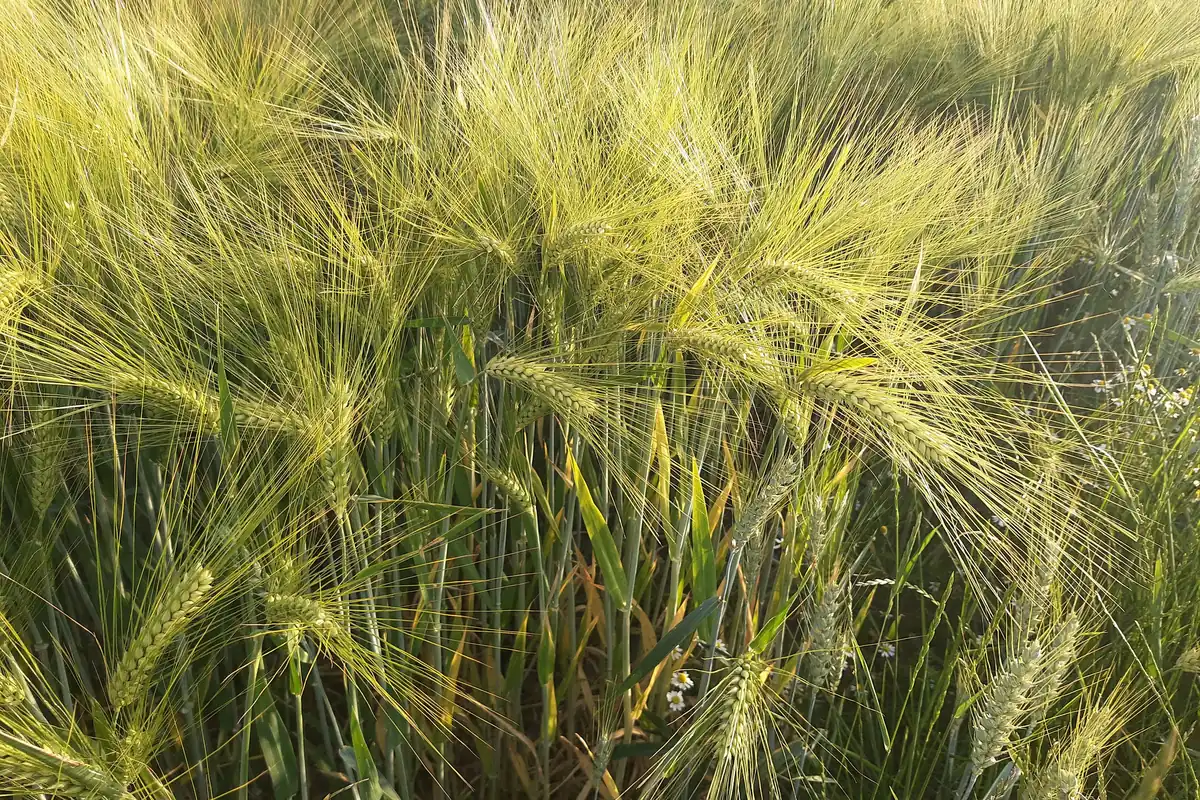
- Malted grain: Barley malt is the common source of starch and enzymes; wheat, oats, rye and other grains can also contribute extract or texture.
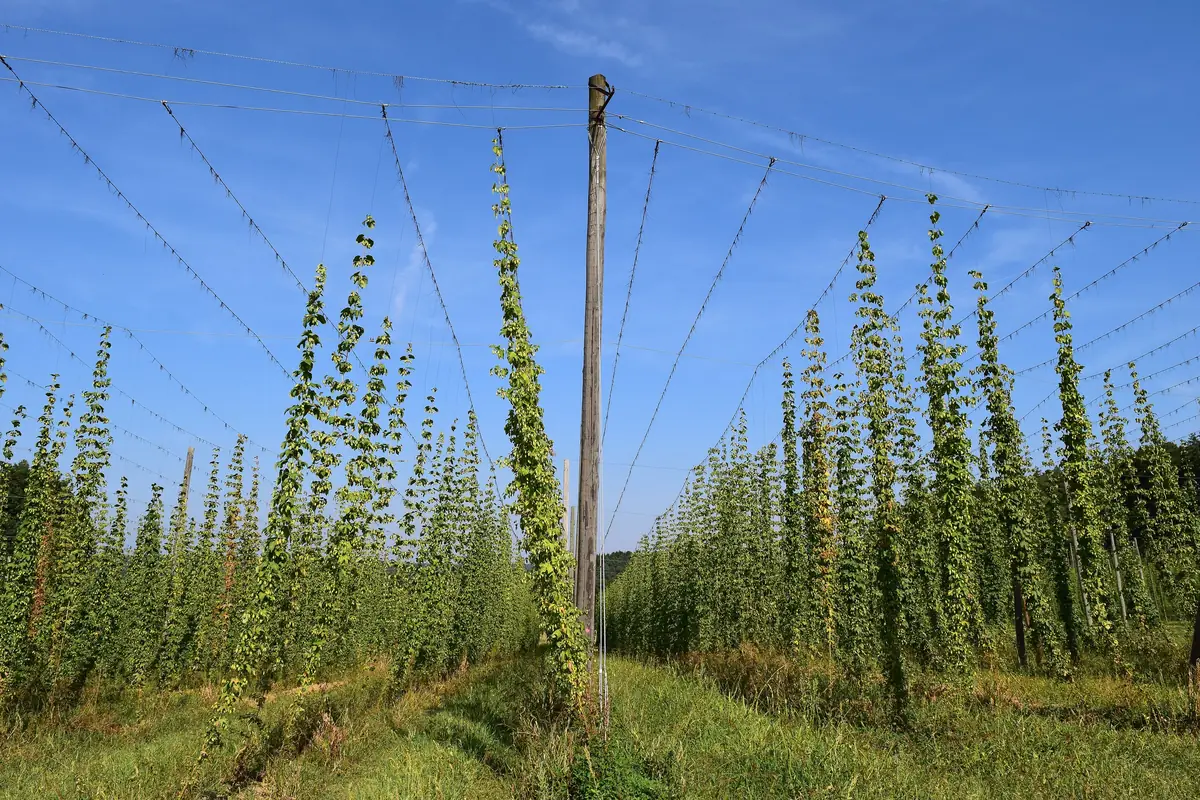
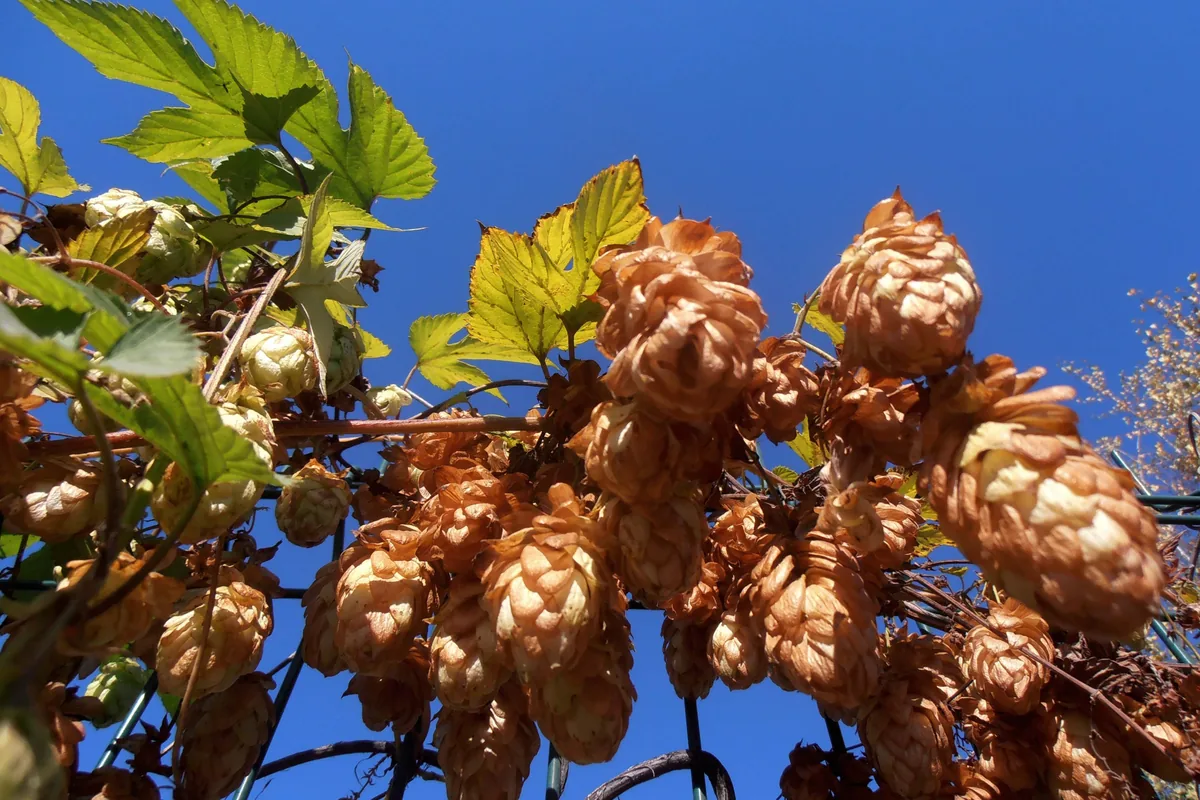
- Hops: The flowers of the hop plant provide bitterness and aromatic compounds, with their timing in the boil shaping which qualities remain in the wort.
- Yeast: Brewing yeast consumes fermentable sugars after the wort cools, producing alcohol, carbon dioxide and compounds that contribute to a beer’s flavour.
- Adjuncts: Other grains, sugar, fruit and lactose are additions beyond the classic four ingredients, and their use means that four-ingredient line is not a rule for every modern beer.
For the mash, crushed malted grain is mixed with hot water and typically held around 63–68°C for about an hour. During this rest, grain enzymes break starch into sugars that dissolve into the liquid wort.
A cooler mash favours a more fermentable wort, leaving yeast with a larger share of sugars it can consume and tending towards a drier final beer. A hotter mash leaves more less-fermentable material, which tends to give the finished beer more body. Brewers choose within the typical range to balance attenuation and mouthfeel; the malt bill and yeast also affect the result.
The boil and the hops
After the wort is separated from the grain, it is usually boiled for 60–90 minutes. Hop timing matters because bitterness compounds need boiling, while prolonged heat drives off many delicate aromatic compounds.
- Early addition: Hops added near the start of the boil contribute most of their bitterness; heat converts alpha acids into more soluble bitter compounds.
- Mid-boil addition: Hops added partway through boiling provide bitterness alongside some flavour, as exposure to heat reduces the most volatile aromas.
- Late-boil addition: Hops added near the end contribute more aroma and flavour because their essential oils spend less time exposed to the boil.
- Whirlpool addition: Hops stirred into hot wort after the boil add aroma and flavour without a full-length boil, which would drive off more volatile oils.
- Dry-hop addition: Hops added to fermenting or finished beer provide pronounced hop aroma without boiling; this technique adds little bitterness compared with an early addition.
Early hops are a practical choice when a recipe needs firm bitterness, while late, whirlpool and dry-hop additions preserve more hop aroma. Brewers can combine stages to balance these effects rather than relying on a single addition.
After boiling, the wort is cooled before yeast is introduced. This change of stage matters: hop additions are complete, and the yeast can begin fermentation in the prepared liquid.
Fermentation without new numbers
During fermentation, yeast consumes sugars in the wort, including maltose and maltotriose, and produces alcohol and carbon dioxide. Carbon dioxide may escape from a fermenter or be retained later to carbonate the beer; the amount of sugar yeast uses helps determine the beer’s final dryness and strength.
Yeast also creates flavour compounds as it works. Esters can contribute fruity notes, while some strains produce spicy phenols; the balance depends on the yeast and the wort it ferments. The Ale and lager section explains the yeast species and fermentation temperatures associated with those broad families.
When readily fermentable sugars run low, yeast activity slows. Brewers allow the beer to condition so yeast can process some fermentation by-products and suspended material can settle. The beer may then be transferred, carbonated and packaged, with the chosen process affecting clarity and how much fermentation character remains in the glass.
Questions about types of beer
A beer’s name can describe its fermentation, strength, ingredients or history, so familiar labels do not always mean what drinkers expect. These answers clarify four common points, from dark lager to the origins of IPA and the difference between porter and stout. Strength figures are typical rather than fixed: recipes and breweries vary. In England and Wales, you must be 18 or over to buy alcohol.
Is lager just a pale beer?
No—lager is a cold-fermented family, not a colour category. Most examples use bottom-fermenting Saccharomyces pastorianus yeast, with fermentation commonly taking place at about 7–13°C before cool conditioning. Pale pilsner is familiar, but dark lagers show why colour is not the test: Munich dunkel has a deep brown appearance, while Schwarzbier is dark yet often finishes relatively crisp. Both are lagers because of their yeast and brewing approach, not their shade. A pale beer can also be an ale, so a golden pour alone cannot identify the style.
Was IPA invented for the voyage to India?
No—specialist beer historians reject the story that IPA was invented specifically for the voyage to India. British brewers were already exporting pale ales to India, and strong, well-hopped beers were suited to surviving long journeys better than many less robust ales. London brewer George Hodgson became associated with this export trade in the late 18th and early 19th centuries, but that is not proof of a single invention for the route. The name India pale ale was adopted later as the style developed. IPA beer now covers many strengths and hop profiles, far beyond those early exports.
Is stout the same as porter?
Not exactly—stout began as a stronger porter, but the names now cover several dark beer styles rather than one fixed recipe. In the 18th century, “stout porter” described a more robust version of porter; over time, stout became an established style name in its own right. Today, a dry stout is commonly around 4–5% ABV, while an imperial stout is often about 8–12% ABV. Those ranges are typical, not legal definitions, and individual beers can fall outside them. Roasted malt flavours may appear in both, so darkness alone does not distinguish them.
What does session beer mean?
Session means lower strength rather than a protected beer style, so recipes and exact ABV limits vary. British session bitters commonly sit around 3.5–4.2% ABV; a pale ale or lager can also be described as session-strength if its alcohol level is modest. The term signals that a beer is designed to be less strong than many full-strength examples, not that it has a particular colour, hop level or fermentation method. For drinkers, the practical distinction is that several beers may add up to less alcohol than the same number of stronger pints, though serving size and ABV still matter.